
The historical journey of casinos from ancient games to modern gambling hubs
Origins of Gambling in Ancient Civilizations
The concept of gambling can be traced back to ancient civilizations, where games of chance played a significant role in social and cultural practices. Archaeological evidence suggests that as early as 3000 BCE, the Chinese engaged in gambling activities using rudimentary dice. Similarly, ancient Egyptians participated in board games that incorporated elements of luck, showcasing humanity’s intrinsic fascination with games of chance. Today, many people appreciate the convenience of wildcard city login for their online gaming experiences.

As societies evolved, so did the complexity of their gaming activities. In ancient Rome, betting on gladiatorial contests and chariot races became a popular pastime, often conducted within public spaces. These early forms of gambling laid the groundwork for the more structured environments that would eventually evolve into modern casinos.
The Rise of Formal Gambling Houses
The establishment of formal gambling houses can be pinpointed to the 17th century, particularly in Europe. As societies began to embrace leisure and entertainment, venues dedicated to gambling started to emerge. The first official casino, the Ridotto, opened its doors in Venice in 1638, offering a regulated environment where patrons could indulge in games such as card games and dice.
This period marked a significant transformation in gambling culture, as it became intertwined with notions of sophistication and social status. The aristocracy frequented these establishments, which were not just places to gamble but also social hubs where ideas and culture were exchanged, thus solidifying gambling’s role in the social fabric of the time.
The Expansion of Casinos in the 19th Century
The 19th century witnessed a dramatic expansion of casinos, particularly in Europe and America. With the onset of the Industrial Revolution, cities grew, and leisure activities diversified. Gambling houses flourished in cities like Monte Carlo, which became synonymous with luxury and high-stakes gaming, attracting wealthy patrons from across the globe.
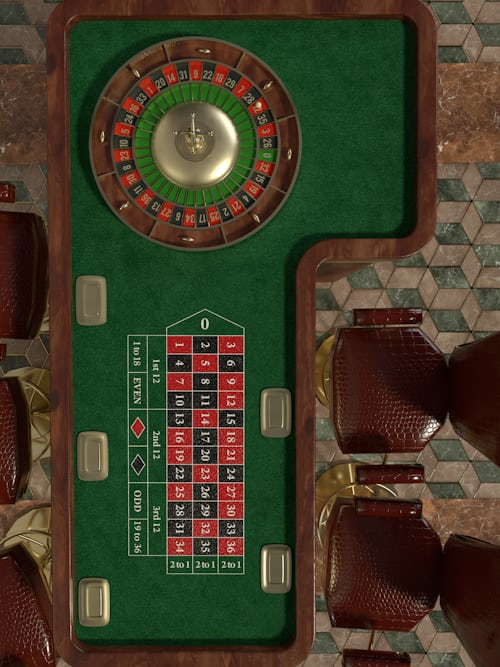
This era also saw the introduction of iconic games such as roulette and baccarat, which are still popular in modern casinos. The proliferation of casinos during this time not only catered to the affluent but also made gambling accessible to the working class, further embedding it into various cultures and lifestyles.
The Advent of Online Gambling
The late 20th and early 21st centuries marked a revolutionary change in the gambling landscape with the advent of the internet. The first online casino launched in 1994, offering players the convenience of betting from the comfort of their homes. This technological innovation transformed the gambling experience, making it more accessible and widespread.
Online platforms introduced a myriad of games, enabling users to enjoy classic casino experiences while also facilitating live dealer games that mimic the atmosphere of physical casinos. The rise of mobile gaming further solidified this shift, allowing players to gamble on the go, thereby broadening the reach of gambling to a global audience.
Wild Card City and the Modern Gaming Experience
As the gambling landscape continues to evolve, platforms like Wild Card City offer users a seamless online gaming experience. This site emphasizes user satisfaction with easy account access, login options, and comprehensive support to help players navigate common issues. By prioritizing security and user experience, Wild Card City embodies the modern approach to online gambling.
Wild Card City is more than just a gaming platform; it serves as a resource for Australian players, providing guidance on account management and promotional opportunities. As the industry advances, such platforms play a crucial role in enhancing the overall gambling experience, ensuring that players can enjoy their favorite games without interruptions.